Recent Posts

13 Recession Resistant Industries


The rate of new mortgages taken out in 2022 dropped more than 80% from its 2021 peak. Real estate sales and mortgages, personal vehicle sales & financing, and marketing are all examples of industries that are VERY vulnerable to recessions. However, some industries see little to no drop in revenue during recessions (and some even benefit from recessions). Below is a list of 13 industries that are very recession-resistant.

1. Deathcare

Deathcare includes funeral services, burial services, cemetery plot sales, cremation services, body transportation services, urn sales, casket sales, etc. Since recessions don’t decrease the death rate, the deathcare industry tends to be recession-resistant.

However, within the deathcare industry, there are some large secular trends to watch out for. The decline of religion and rise of environmentalism have caused burials to lose market share to cremations almost every year for the past 30 years. That means a cemetery may not be the best business. Additionally, people are opting more and more for home “wakes” rather than traditional funeral home mourning events. That means traditional funeral homes with large event spaces may not be the best businesses to own either. However, cremation and aquamation facilities are great deathcare business opportunities.

2. Healthcare

People pay for medicine even if they have to go into debt to do so. People won’t stop taking their prescription even if they do stop buying expensive foods at the grocery store. Additionally, a lot of healthcare is actually paid for by the government and by insurance companies. All of those factors together mean that spending on healthcare is very inelastic. This is apparent in the chart below during the 1980 recession, the 1981-1982 recession, the 1990-1991 recession, the 2001 recession, and the 2007-2009 Great Recession.
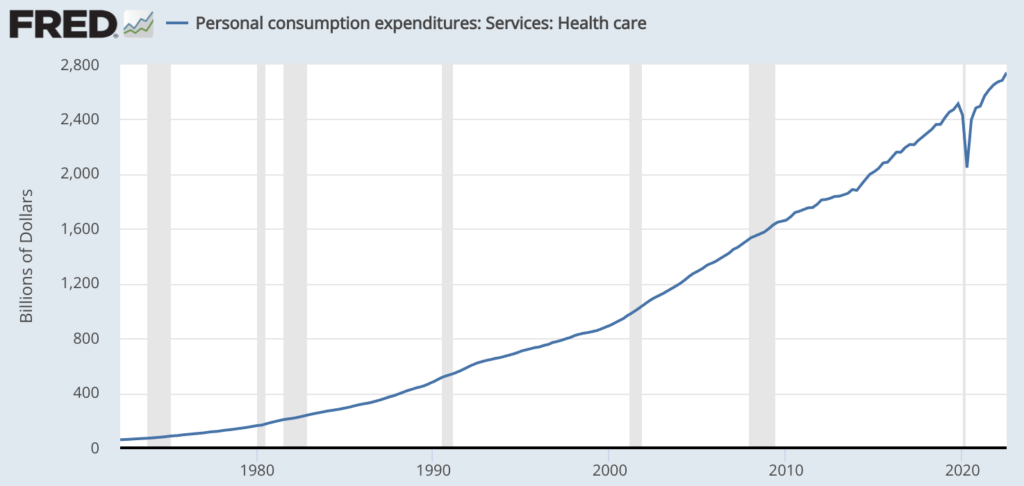
The most surprising thing about the health spending chart above is that consumer spending on healthcare actually decreased during the beginning of the Covid pandemic in 2020. That seems especially odd because we think of the Covid recession as being caused by a pandemic (a health issue).

However, in reality, the recession was actually caused by government lockdowns which severely limited people’s ability to engage in any social or commercial activity. That, together with significant fear of getting sick, meant most people did not go to the doctor for checkups, didn’t go to the dentist, and possibly even cancelled their mammograms or other non-urgent procedures.

As a result, 2020 was the first year in recorded history when U.S. spending on healthcare fell. However, healthcare spending fell by only about 2.7% in 2020 versus U.S. GDP which fell by 3.5%. If we add in spending on prescription drugs, then healthcare spending was only down by 1.5%. That means that healthcare was still a stronger than average industry even during that historic year.

If you want to start a healthcare business that is maximally recession-resistant, I would stay out of areas that people can easily put off for years (e.g. dentistry and orthodontics).

3. Pets

People spend money to buy pets, pet products, and pet services even during a recession. In the chart below, you can see that pet spending continued to grow at the same pace through the dot com bust recession, stagnated but didn’t decline during the Great Recession, and actually significantly increased during the Covid pandemic.
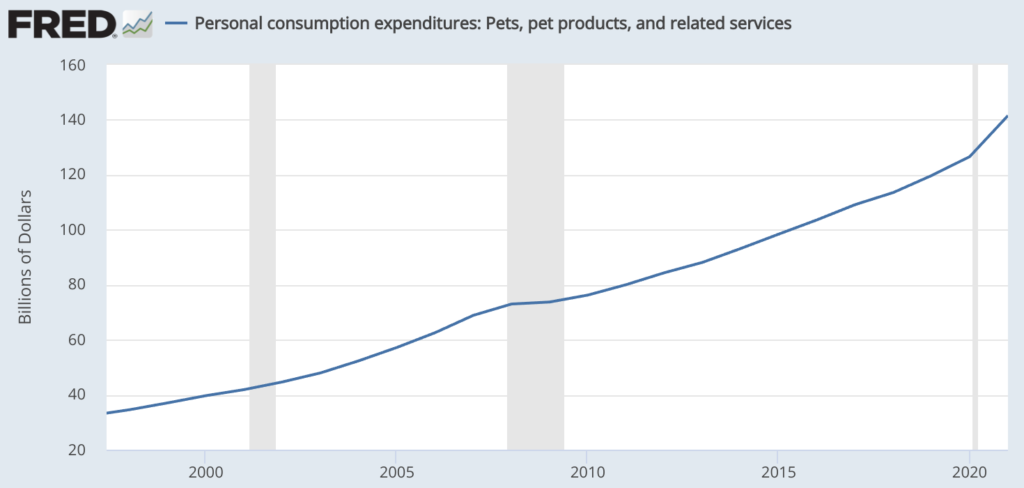
Word of Caution: One hypothesis for why pet industry spending is so robust during recessions is that people don’t buy many luxury goods for their pets. However, if the trend towards people substituting pets for kids continues, it’s possible that people might start spending a lot more on their pets. If we reach a point in the future where a large percentage of pet industry spending is going towards things like “premium organic non GMO, gluten-free, ethically-sourced, environmentally-friendly, carbon neutral, vegetarian-fed, human-grade dog nootropic supplements”, then the industry may not be nearly as recession-resistant as it has been historically.

4. Lipstick

In her 1998 book The Overspent American, economics and sociology professor Juliet Schor found that when money is tight, women would splurge on luxury brand lipsticks that are used in public (e.g. in semipublic restrooms or after dinner in a restaurant) and forego higher-priced beauty products that are applied in the privacy of their homes (e.g. facial cleansers and eye makeup). This phenomenon became known as the “lipstick effect”.

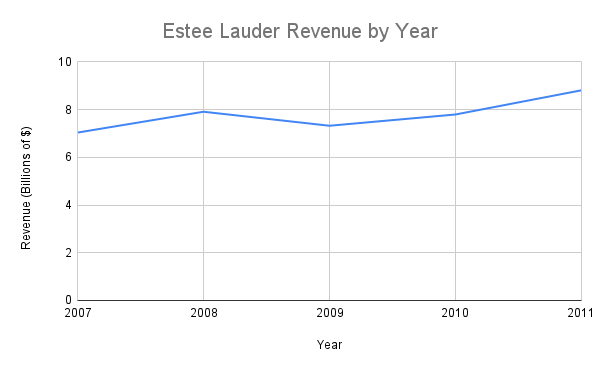
In 2001, Chairman Leonard Lauder of cosmetics company Estee Lauder supplied anecdotal evidence in support of the lipstick effect when he reported his company saw a spike in lipstick sales after the 9/11 terrorist attacks. After the recession of 2008, he again reported a rise in company lipstick sales. Compare that with Estee Lauder sales overall which dropped by 7.4% from 2008 to 2009.
In 2012, an article in the Journal of Personality and Social Psychology found that recessionary cues decreased women’s desire for most products but consistently increased desire for products that increase attractiveness to mates with resources, with the level of desire depending on the perceived mate attraction function served by those products. These researchers also suggested that the reason behind choosing luxury products (e.g. luxury lipstick) was because luxury products do a better job of advertising their attractiveness-enhancing benefits. If true, that suggest that during a recession, advertising your product or service as something that enhances female attractiveness should be a good strategy.

According to a 2022 NPD article, this phenomenon is so deeply rooted in human psychology that make up sales even increased between 1929 and 1933 during the Great Depression.

Word of Caution: Not all recessions are the same. During the early onset of Covid-19 in 2020, lipstick and lip gloss were the hardest hit of all cosmetics because faces were being covered by masks.

5. Chocolate Candy

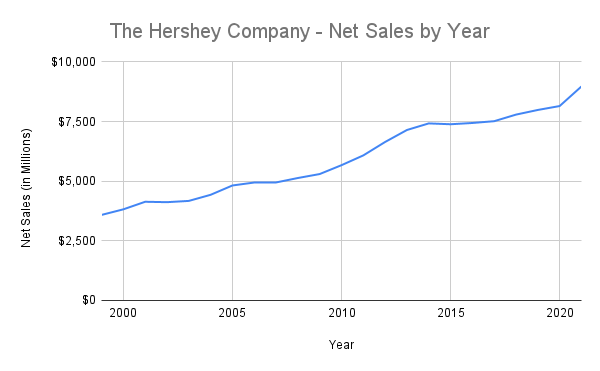
When people get stressed (such as during a recession), they stress eat. In particular, many people stress eat small comfort snacks such as chocolate. Just look at the Hershey Company’s net sales by year in the graph below. Sales don’t slow at all during the 2001 recession, the Great Recession, or the Covid-19 lockdown recession.
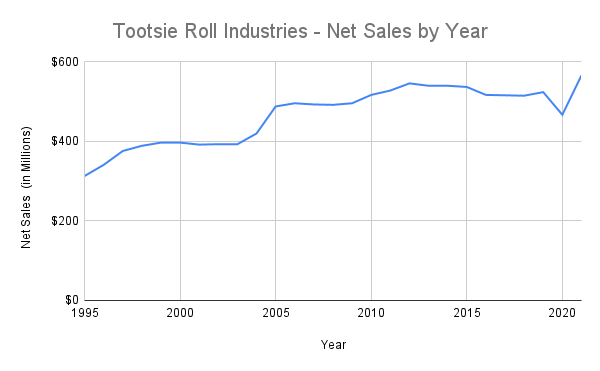
If we look a the sales of Tootsie Roll Industries over the same period, we see that sales did take a hit during the 2020 pandemic but did not notably decline during either the dot com bubble recession or the Great Financial Crisis.
6. Alcohol

Like chocolate, alcohol is a product which people consume more of when they are stressed. That means Alcohol sales don’t really suffer during a recession.
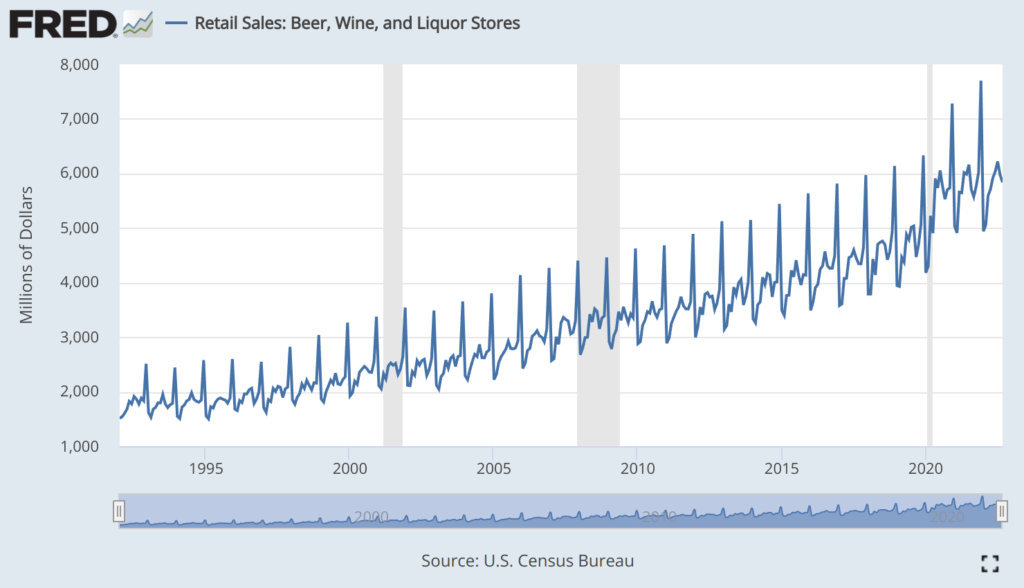
Source: FRED (Not seasonally adjusted)

7. Internet & Wireless Service

Internet and wireless phone services are regulated utilities that people depend on for nearly all aspects of their lives, from work to relaxation. Almost no one stops subscribing to internet or wireless services during a recession which makes the industry extremely recession-resistant.
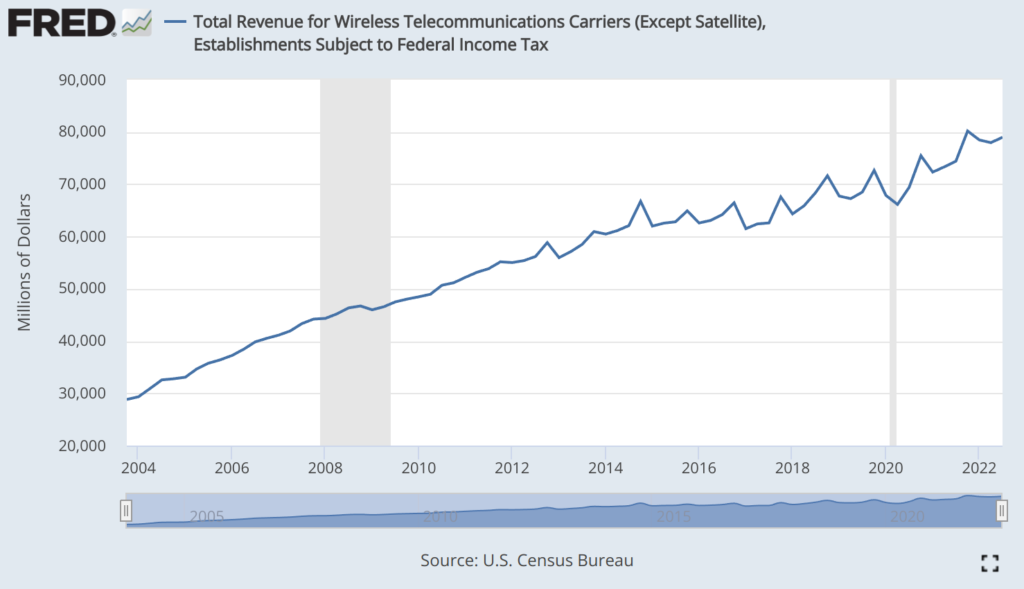
Source: FRED (Not seasonally adjusted)

8. Energy & Water Utilities

Like internet and wireless services, energy and water services are core utilities that people depend on and are unlikely to consume substantially less of even during a recession.

9. Government Contracting

The federal government does not really cut spending during recessions. In fact, often the federal government increases spending during recessions as a form of economic stimulus. That means that federal government contracting is a very recession-resistant piece of the economy.
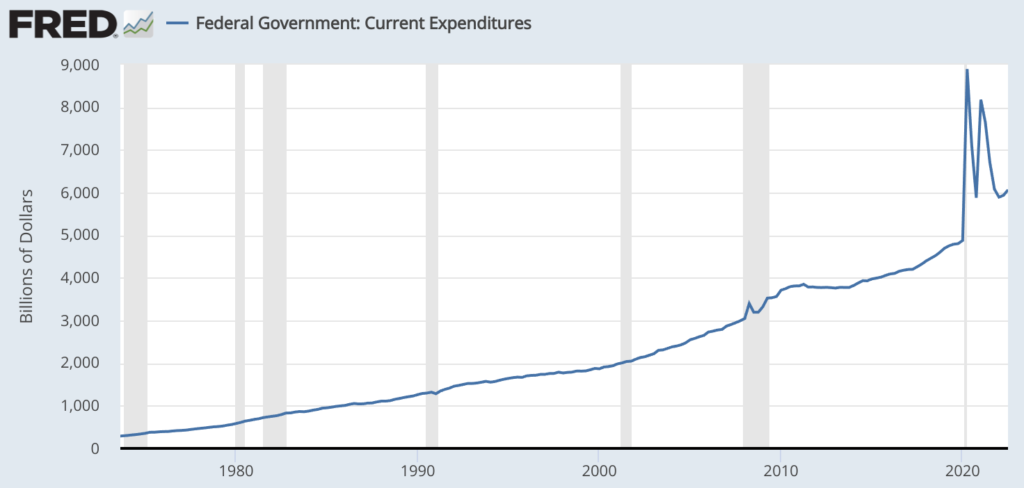
Source: FRED (Seasonally adjusted annual rate)

10. Higher Education

During recessions, people still go to grad school. In fact, many young adults who feel like they don’t have great job prospects during recessions choose to go to grad school to avoid blemishing their resume. With the exception of the covid 2020 recession during which lockdowns made attending universities difficult, higher education spending has always continued to grow during recessions.
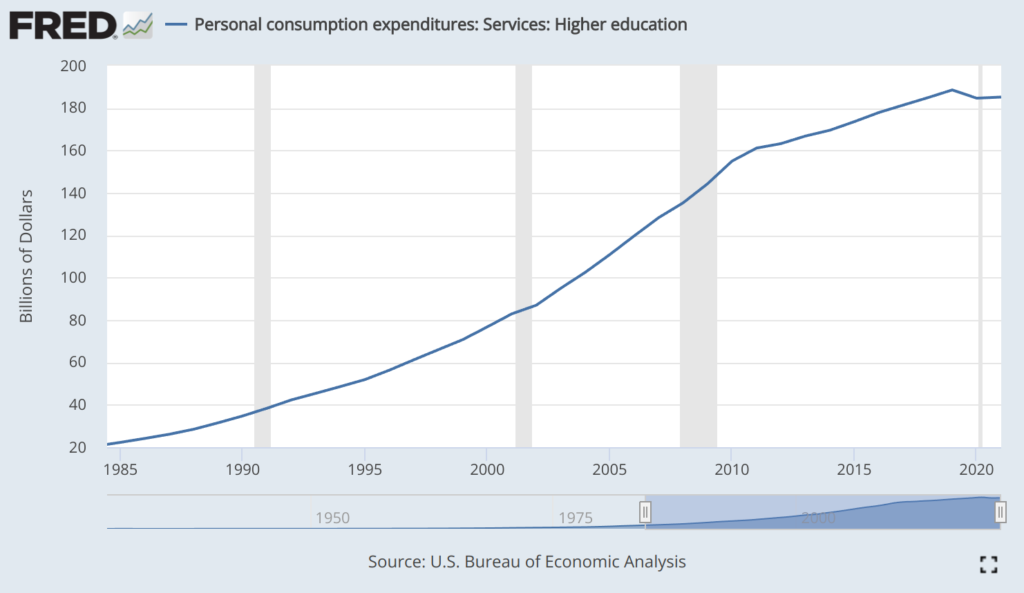
Source: FRED (Not seasonally adjusted)

11. Budgeting Tools

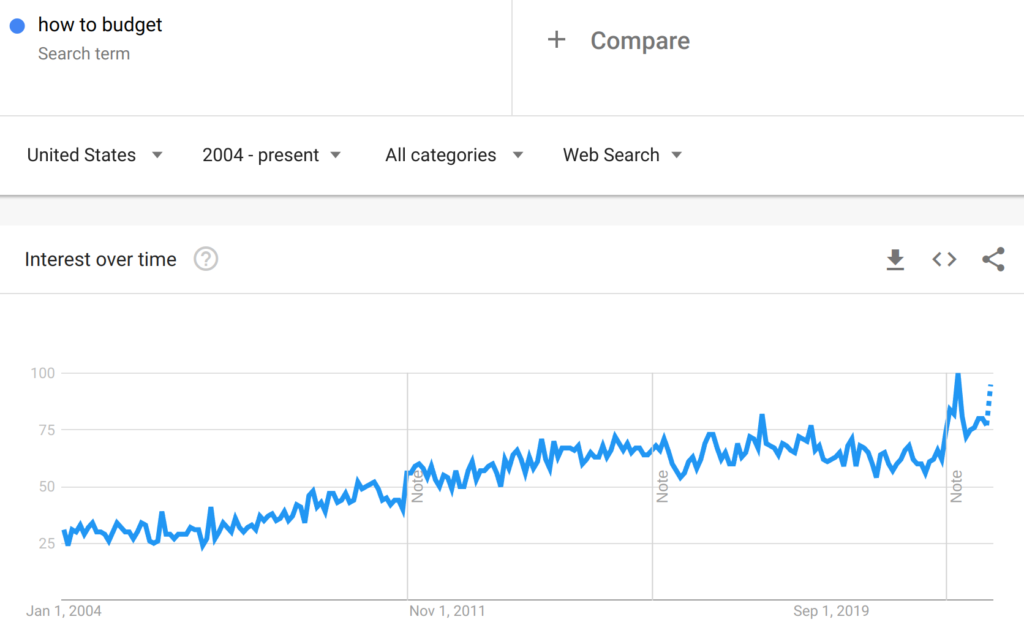
Products and services that help people budget increase in demand during recessions. To monetize this demand, you need to ensure you don’t charge too much money for your offering, but if you offer a useful and affordable option, there is opportunity here.
12. Diversified Discount Retail

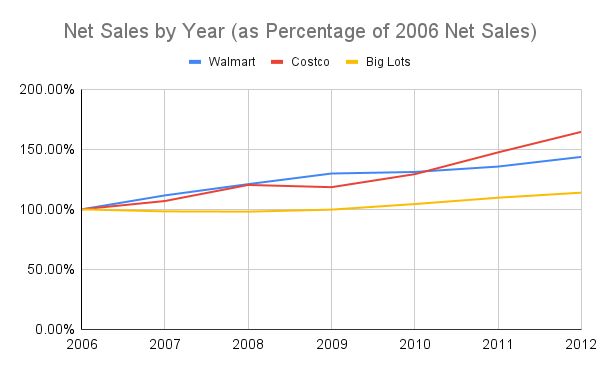
When times are tough, people still need food, clothing, and other essential items, and they turn to the cheapest stores to buy those items. That means discount retail companies like Walmart and Costco tend to have revenue that is very recession-resistant.
13. Legal Services

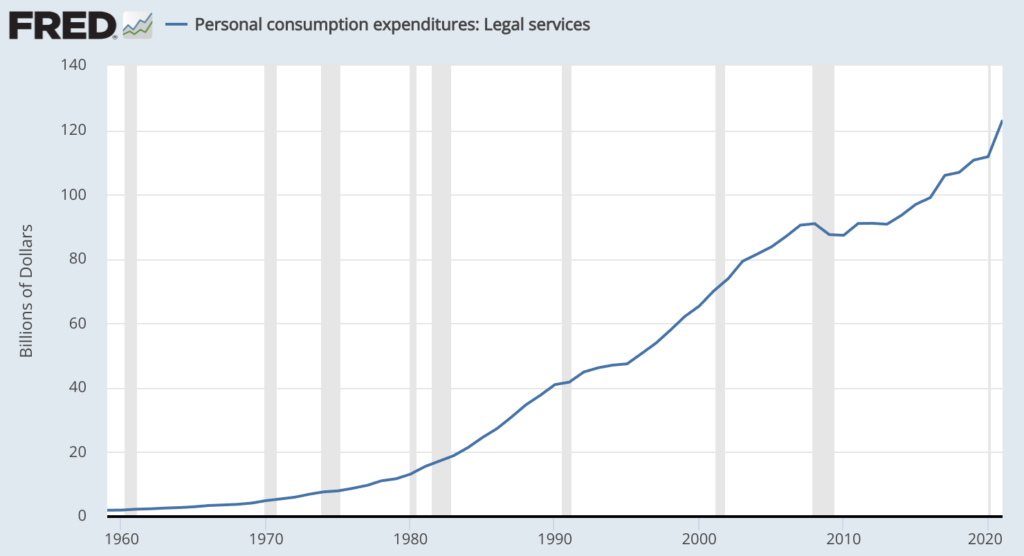
Since 1959, there have been 9 recessions, and only one (2009) saw annual personal consumption expenditures on legal services decrease (and even then, only 4.0% down from 2008 peak to 2010 trough).

During the 1990 recession, the growth rate of spending on legal services slowed notably, but spending on legal services did still grow.

During the 1960, 1970, 1974, 1980, 1982, 2001, and 2020 recessions, personal expenditures on legal services continued to grow at more or less the same rate as pre-recession.

Source: FRED (Not seasonally adjusted)

21 Best Podcasts for Intelligent Investors in 2023


If you’re a professional investor or high net worth individual, then these are the podcasts for you.

1. Macro Voices

Hedge fund manager Erik Townsend interviews macroeconomic hedge fund managers and research analysts about investment strategies, risks, and opportunities.

2. Think Like an Owner

This podcast focuses on how to acquire and operate small to medium businesses with a particular emphasis on the private equity search fund business model.

3. Patrick Boyle on Finance

Hosted by former quantitative hedge fund manager and university professor Patrick Boyle, this witty podcast explains current and historical events in finance.

4. Opportunity Zones Podcast

This show interviews opportunity zone investors and lawyers about tax-privileged opportunity zone investment opportunities.

5. The Private Equity Podcast

Alex Rawlings interviews successful private equity professionals about how they succeeded and what mistakes they made along the way.

6. Capital Allocators

Ted Seides interviews leaders in the institutional investing industry. Guests include asset managers, strategists, and others.

7. Private Equity Deals

Complimentary to the Capital Allocators podcast, this podcast features Ted Seides interviewing top institutional money managers across private equity, credit, real estate, and other alternative markets.

8. Family Office Podcast

This podcast covers innovative investment structures, private investor strategies, wealth management, family legacy and conflict, and more. The pod is hosted by Richard Wilson, CEO of the Family Office Club & Centimillionaire Advisors, LLC.

9. BiggerPockets

This is the largest real estate investing podcast. The hosts interview real estate investors and entrepreneurs across a variety of strategies and markets.

10. Owned & Operated

This search fund oriented podcast dives into the operations of businesses that John Wilson or his guests own or are considering acquiring.

11. The Fort Podcast

Chris Powers (founder of Fort Capital) talks with business leaders across real estate and other industries.

12. Senior Housing Investors

This podcast features interviews with operators, investors, and developers in the senior housing industry (assisted living, nursing homes, etc).

13. Committed Capital

This podcast is hosted by Dechert’s private equity practice and explores current issues and trends in the global PE industry.

14. The Sweaty Startup

A podcast about principles, strategies, and methods to grow successful companies.

15. Business Wars

Netflix vs HBO. Nike vs Adidas. This podcast tells the story of business wars.

16. Talking Tax

This podcast hosts weekly discussions around issues facing tax and accounting professionals. Since taxes are an important part of any good investment strategy, I include this podcast on this list.

17. SaaStr

The Official SaaStr Podcast offers hosted interviews with SaaS operators and investors. Conversations focus on getting from $0 to $100 million in ARR, what metrics to focus on when building or investing in a SaaS business, and how to hire for SaaS businesses.

18. We Study Billionaires

Hosted by Stig Brodersen and Trey Lockerbie, this podcast hosts interviews with famous financial billionaires such as Warren Buffett, Ray Dalio, and Howard Marks. Topics revolve around stock investing.

19. Series 7 Podcast

This podcast is designed to help prepare students to take the series 7 (stock broker) exam.

20. The How of Business

For anyone investing in or running small businesses, this podcast is for you. Each episode is either a discussion of a business topic, an interview with a small business owner, or an interview with a small business service provider.

21. Tax Credits Today

This irregularly published podcast talks about tax credits.

Honorable Mentions

There are a few podcasts that are no longer actively produced but whose past episodes are repositories of valuable information to investors.

The 8 Criminal Charges Pending Against Sam Bankman-Fried [Explained]


Sam Bankman-Fried (SBF) was arrested in the Bahamas on December 12, 2022. The Bahamanian government provided a statement that SBF’s arrest was in response to a formal notification from the U.S. that it had filed criminal charges against SBF and would likely request extradition.

These are the 8 crimes that SBF is being charged with:

  1. Conspiracy to Commit Wire Fraud on Customers
  2. Wire Fraud on Customers
  3. Conspiracy to Commit Wire Fraud on Lenders
  4. Wire Fraud on Lenders
  5. Conspiracy to Commit Commodities Fraud
  6. Conspiracy to Commit Securities Fraud
  7. Conspiracy to Commit Money Laundering
  8. Conspiracy to Defraud the United States and Violate Campaign Finance Laws

Each of the charges is explained below. Additionally, the SEC and CFTC have both filed civil lawsuits against SBF. You can find each lawsuit here:

1. Conspiracy to Commit Wire Fraud on Customers

Wire fraud is basically lying to someone over the internet (or radio or TV) for financial gain.

Conspiracy is when two or more people form an agreement to violate the law with the intent of achieving the agreement’s goal.

Conpsiracy to commit wire fraud is therefore when two or more people agree to transmit lies over the internet in order to receive financial gain.

In the case of SBF, he is being charged with conspiracy (with unnamed co-conspirators) to defraud customers of FTX.com by misappropriating those customers’ deposits and using those deposits to pay expenses and debts of Alameda Research and to make investments.

There are several facts that bring this case into U.S. jurisdiction despite FTX.com being operated by a non-U.S. company:

  • The fraud involves Alameda which uses one or more U.S. business entities (e.g. Alameda Research LLC, a Delaware company)
  • The fraud involves a company (Alameda Research) that uses at least one U.S. bank (Silvergate)
  • SBF is a U.S. citizen

The maximum sentence for conspiracy to commit wire fraud is 20 years (or 30 years if the fraud affects a financial institution).

2. Wire Fraud on Customers

The U.S. government accuses SBF of not just conspiring to commit wire fraud but of actually committing wire fraud which would be a second, separate crime.

The maximum sentence for committing wire fraud is the same as for conspiracy to commit wire fraud: 20 years (or 30 years if the fraud affects a financial institution).

3. Conspiracy to Commit Wire Fraud on Lenders

SBF is charged with conspiring to defraud lenders to Alameda Research by providing false and misleading information to those lenders regarding Alameda Research’s financial condition. Since lenders likely qualify as financial institutions, that means the maximum sentence for this crime is 30 years.

4. Wire Fraud on Lenders

SBF is charged with actually defrauding lenders to Alameda Research. This is a separate crime than conspiracy to defraud lenders and carries up to another 30 years as the maximum sentence.

5. Conspiracy to Commit Commodities Fraud

SBF is charged with conspiring to violate the following commodity laws and regulations:

  • 7 U.S.C. 9(1) — Prohibition against manipulating commodity markets such as through the communication of false or misleading reports concerning crop or market information or conditions that affect or tend to affect the price of any commodity in interstate commerce.
  • 7 U.S.C. 13(a)(5) — It is a felony to willfully violate any provision, rule, or regulation under Chapter 1 of Title 7 of the U.S. Code. The maximum sentence is 10 years.
  • 17 CFR 180.1 — Prohibition against intentionally or recklessly using any manipulative scheme, making untrue material statements, or engaging in fraudulent business activity in connection with any commodity or commodity instrument.
  • 18 U.S.C. 371 — Conspiracy to commit any offense against the United States, or to defraud the United States, together with some action taken to effect the object of the conspiracy, shall carry a maximum sentence of 5 years.

6. Conspiracy to Commit Securities Fraud

SBF is charged with conspiring to violate the following securities laws and regulations:

  • 15 U.S.C. 78j(b) — Prohibition on using manipulative or deceptive devices in connection with the purchase or sale of any security or security swap in contravention of SEC rules and regulations.
  • 15 U.S.C. 78f(f) — SEC authority to require compliance with non members of national securities exchanges to comply with specified SEC rules.
  • 17 CFR 240.10b-5 — Prohibition on making untrue statements or employing fradulent devices in connection with the purchase or sale of any security.
  • 18 U.S.C. 371 — Conspiracy to commit any offense against the United States, or to defraud the United States, and some action taken to effect the object of the conspiracy, shall carry a maximum sentence of 5 years.

7. Conspiracy to Commit Money Laundering

SBF is charged with violating the following money laundering laws:

  • 18 U.S.C. 1956(a)(1)(B)(i) — Knowingly engaging in a financial transaction with proceeds of some unlawful activity with the intention of concealing or disguising the nature, location, source, ownership, or control of the proceeds of the specified unlawful activity shall be sentenced to a maximum of 20 years in prison.
  • 18 U.S.C. 1957(a) — Knowingly engaging or attempting to engage in a monetary transaction with criminally derived property of a value greater than $10,000, done within the U.S. or by a U.S. person, is unlawful and carries a maximum sentence of 10 years.

  • 18 U.S.C. 1956(h) — Any person who conspires to commit any offense defined in section 1956 or 1957 shall be subject to the same penalties as those prescribed for the offense the commission of which was the object of the conspiracy.

8. Conspiracy to Defraud the United States and Violate the Campaign Finance Laws

  • 52 U.S.C. 30109(d)(1)(A) — Any person who knowingly and willfully commits a violation of any provision of the Federal Election Campaign Act of 1971 (as amended) which involves the making, receiving, or reporting of any contribution, donation, or expenditure aggregating $25,000 or more during a calendar year shall be fined and/or imprisoned for not more than 5 years.
  • 52 U.S.C. 30109(d)(1)(D) — Any person who knowingly and willfully commits a violation of section 30122 involving an amount aggregating more than $10,000 during a calendar year shall be imprisoned not more than 5 years.
  • 52 U.S.C. 30118 — Campaign financing rules regarding contributions or expenditures by national banks, corporations, or labor organizations.
  • 52 U.S.C. 30122 — No person shall make a contribution in the name of another person or knowingly permit his name to be used to effect such a contribution, and no person shall knowingly accept a contribution made by one person in the name of another.
  • 18 U.S.C. 371 — Conspiracy to commit any offense against the United States, or to defraud the United States, together with any action taken to effect the object of the conspiracy, shall carry a maximum sentence of 5 years.

21 Best Podcasts for Entrepreneurs in 2023


If you are starting, buying, or running your own company, these podcasts are for you.

1. Think Like an Owner

This podcast focuses on how to acquire and operate small to medium businesses with a particular emphasis on the private equity search fund business model.

2. My First Million

Shaan Puri and Sam Parr (both successful entrepreneurs who have had multi-million dollar exits) talk about business ideas.

3. Marketing Against the grain

HubSpot Chief Marketing Officer Kipp Bodnar and HubSpot Senior Vice President of Marketing Kieran Flanagan talk about creative marketing tactics and strategies.

4. 20VC

The Twenty Minute VC (20VC) podcast interviews venture capitalists.

5. Mixergy

Andrew Warner interviews small to medium scale successful entrepreneurs with a focus on wholistic entrepreneur stories.

6. SaaStr

The Official SaaStr Podcast offers hosted interviews with SaaS operators and investors. Conversations focus on getting from $0 to $100 million in ARR, what metrics to focus on when building or investing in a SaaS business, and how to hire for SaaS businesses.

7. Owned & Operated

This search fund oriented podcast dives into the operations of businesses that John Wilson or his guests own or are considering acquiring.

8. The Crazy Ones

Previously named the Founder’s Journal, this podcast is hosted by Morning Brew founder Alex Lieberman and covers the topic of what it’s like to be a founder.

9. Noah Kagan Presents

AppSumo founder Noah Kagan interviews entrepreneurs, CEOs, athletes, and celebrities about all aspects of business and wealth.

10. Online Marketing Made Easy

This Hubspot Podcast Network production is hosted by Amy Porterfield and covers actionable, profitable tactics for new online entrepreneurs.

11. Silicon Valley

This podcast features interviews with famous entrepreneurs, venture capitalists, and other tech industry leaders.

12. HBR IdeaCast

This podcast is produced by the Harvard Business Review and features short episodes covering business case studies or key business topics. The material is well-researched and features high-power guests including former Google CEO Eric Schmidt and even former U.S. Presidents.

13. The UpFlip Podcast

This podcast features detailed behind-the-scenes operational interviews with the owner-operators of successful small businesses.

14. Founder Coffee

Salesflare founder Jeroen Corthout interviews founders about their lives and passions so that you can learn about the people behind the companies.

15. The Brainy Business

Melina Palmer talks about why and how consumers make purchases through the scientific lens of behavioral economics.

16. Business Wars

Netflix vs HBO. Nike vs Adidas. Business is war, and this podcast tells the stories of the battles.

17. Socialette

Hosted by Steph Taylor, this podcast focuses on bite-sized online marketing tactics.

18. The Online Business Show

Tyler McCall hosts interviews with successful online entrepreneurs, focusing on tactics to make your online business profitable.

19. Business Unusual

Hosted by Shark Tank “Shark” Barbara Corcoran, this podcast talks about practical strategies to build a successful business.

20. Product Boss

This marketing podcast is hosted by two female business partners, Jacqueline Snyder and Minna Khounlo-Sithep. Conversations focus on sales and strategy.

21. The Law Entrepreneur

Tech geek & solo law practitioner Neil Tyra interviews successful lawyer entrepreneurs and entrepreneurs who have built businesses that support lawyers.

6 Biggest Companies Headquartered in Arizona by Revenue [2022]


These are the 6 largest companies headquartered in Arizona, as ranked by total revenue over the 4 quarters ended September 30, 2022.

1. Avnet ($25.476 Billion)

Avnet (NASDAQ: AVT) is a Phoenix-based distributor of electronic components that generated $25 billion in revenue over the last 4 quarters. The company operates with two business segments:

  • Electronic Components (“EC”) — Markets, sells, and distributes electronic components including semiconductors, IP&E (interconnect, passive, and electromechanical) components, and embedded components. This segment primarily serves high-volume customers in markets such as automotive, medical, defense, and aerospace. FY 2022 sales from this segment were 80% semiconductor products, 17% IP&E, 2% computers, and 1% other products and services.
  • Farnell — Distributes a comprehensive portfolio of kits, tools, electronic components, industrial automation components, and test and measurement products to both engineers and entrepreneurs, primarily through an e-commerce channel. This segment focuses on serving lower-volume customers that need components quickly to develop, prototype, and test their products.
Official Company NameAVNET, INC.
State of IncorporationNew York
Headquarters Address2211 South 47th Street
Phoenix, AZ 85034
Corporate Phone Number480-643-2000
Last Annual Report10-K
Last Quarterly Report10-Q
Investor Relations WebsiteInvestor Relations

2. Freeport-McMoRan ($23.186 Billion)

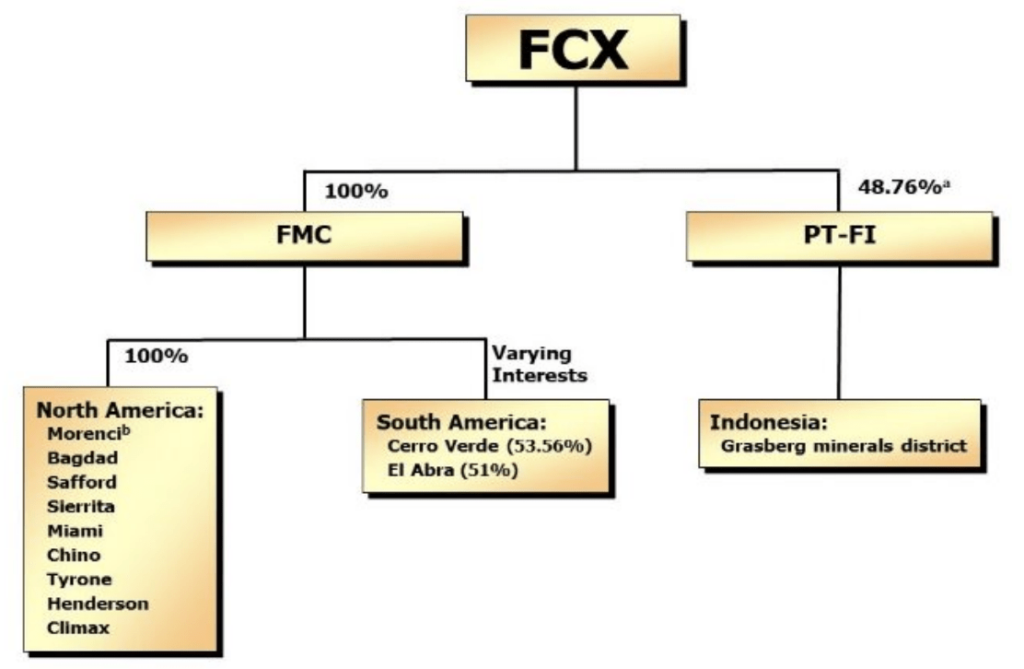
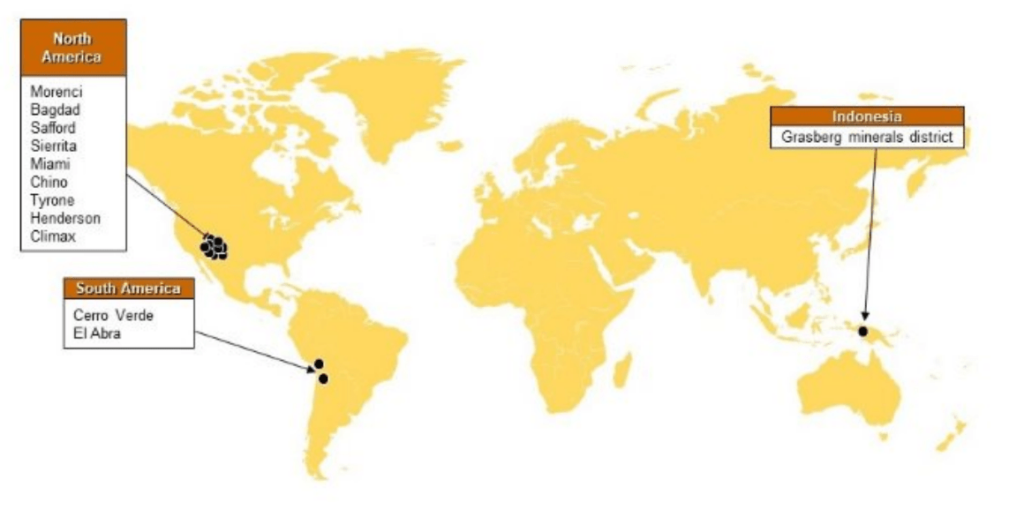
Freeport-McMoRan (NYSE: FCX) is an international mining company that produces copper, gold, and molybdenum. One of the company’s mines is named Climax, and total revenue was $23 billion.

Official Company NameFreeport-McMoRan Inc.
State of IncorporationDelaware
Headquarters Address333 North Central Avenue
Phoenix, AZ 85004
Corporate Phone Number602-366-8100
Last Annual Report10-K
Last Quarterly Report10-Q
Investor Relations WebsiteInvestor Relations

3. Carvana ($14.520 Billion)

Carvana (NYSE: CVNA) is an online platform for buying and selling used cars. The company’s stock price has been absolutely decimated in 2022, but the company still generated $15 billion in revenue over the last 4 quarters.

Official Company NameCARVANA CO.
State of IncorporationDelaware
Headquarters Address300 E. Rio Salado Parkway
Tempe, AZ 85281
Corporate Phone Number480-719-8809
Last Annual Report10-K
Last Quarterly Report10-Q
Investor Relations WebsiteInvestor Relations

4. Banner Health ($13 Billion in 2021)

Banner Health is a non-profit healthcare organization that operates 30 hospitals and several specialized facilities across 6 states. The organization is the single largest employer in Arizona and generated approximately $13 billion over the last year compared with $12.4 billion in 2021, $10.4 billion in 2020, and $9.4 billion in 2019.

Headquarters AddressBanner Corporate Center
2901 N Central Ave Ste 160
Phoenix, AZ 85012
Corporate Phone Number602-747-4000
FinancialsBasic Financial Info

5. Republic Services ($12.934 Billion)

Republic Services (NYSE: RSG) is a waste and environmental management company that operates 198 active landfills, 124 closed landfills, 356 waste collection locations, 239 transfer stations, 71 recycling processing centers, and 77 landfill gas-to-energy and other renewable energy projects. Total revenue was $13 billion.

Official Company NameREPUBLIC SERVICES, INC.
State of IncorporationDelaware
Headquarters Address18500 North Allied Way
Phoenix, AZ 85054
Corporate Phone Number480-627-2700
Last Annual Report10-K
Last Quarterly Report10-Q
Investor Relations WebsiteInvestor Relations

6. Insight Enterprises NSIT ($10.494 Billion)

Insight Enterprises (NASDAQ: NSIT) is an IT and technology services company serving large enterprise customers. The company offers hardware, software, and services including cybersecurity services, cloud solutions, IT supply chain assistance, and more.

Official Company NameINSIGHT ENTERPRISES, INC.
State of IncorporationDelaware
Headquarters Address2701 E. Insight Way
Chandler, AZ 85286
Corporate Phone Number480-333-3000
Last Annual Report10-K
Last Quarterly Report10-Q
Investor Relations WebsiteInvestor Relations

18 Most Lucrative Cash Crops for Small Farms in 2023


As farm equipment has become more automated, small farms have had a difficult time competing with large farms on crops like corn and wheat. However, some crops must be harvested in ways that are physically challenging to do at large scale. These crops (some edible, some not) tend to be much more expensive on a per pound basis, and they can be lucrative revenue sources for small farming businesses. In this article, I go over 18 of the most lucrative cash crops for small farms to grow.

1. Gold of Kinabalu Orchid ($5,000/stem)

This rare species of orchid is native only to the rainforest slopes of Mt. Kinabalu of northern Borneo at elevations of 500-1200 meters above sea level. The plant is endangered and can take up to 15 years to mature before flowering, but once maturity is reached, it will flower every year. Each stem typically produces 3-4 flowers but can sometimes produce up to 6. The plant is known by many different names:

  • Paphiopedilum rothschildianum (scientific name)
  • Rothschild’s slipper orchid
  • Gold of Kinabalu
  • King of Paphs
  • Sumazau Orchid

Your biggest challenge with growing these exotic flowers will be legally obtaining seeds or plants to get started. There is an entire orchid smuggling community that tries to steal the endangered plants from Kinabalu national park.

Your second biggest challenge will be verifying that any seeds or plants you do legally obtain are actually for paphiopedilum rothschildianum rather than some hybrid look-alike.

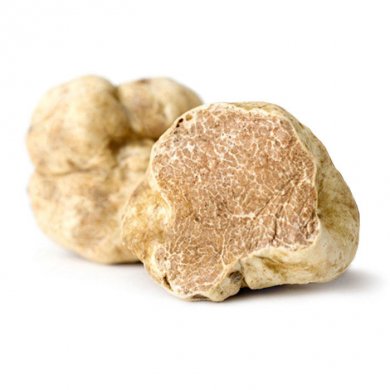
2. White Truffles ($3,200/pound)

In 2021, a 2 pound white truffle sold at auction for $118,000. That was much more expensive than your typical white truffle on a per pound basis, but even small white truffles can sell for over $4,000 per pound.

Truffles are technically the fruit of mycorrhizal fungi, usually in the Tuber genus. There are over 140 species, but relatively few have a real market value. The most economically important species are

  • Tuber melanosporum (aka Black perigord truffle)
  • Tuber brumale (aka Black winter truffle or muscat truffle)
  • Tuber aestivum (comes in two varieties):
    • Tuber aestivum var. aestivum (aka Summer truffle)
    • Tuber aestivum var. uncinatum (aka Burgundy truffle)
  • Tuber indicum (aka Chinese black truffle)
  • Leucangium carthusianum (aka Oregon black truffle)
  • Tuber magnatum (aka White winter truffle)
  • Tuber oregonense (aka Oregon white truffle)

The species that sell for the highest prices are those native to Europe (e.g. T. magnatum) while species native to Asia (e.g. T. indicum) and America (e.g. T. oregonense) are still expensive but much less so. T. magnatum (the white winter truffle) is the species which generally sells for the highest prices.

The reason white truffles are so expensive is that they are time-consuming and difficult to grow. They take around 7 years to develop, only grow in particular climates, and only grow on the roots of certain species of mature trees. However, if you have either patience or the scientific curiosity to devise a faster and more reliable way to grow them, you could have a very profitable truffle farming business.

December 2022 Sample Prices:

Unit Size & CostEquivalent Price per PoundProduct DescriptionMarket
$60 / 1 oz$960Fresh Oregon white truffles (Tuber oregonese)truffledogcompany.com
$149 / 4 oz$596Oregon white trufflesoregontruffletraders.com
$250 / 1 oz$4,000Fresh Italian white trufflesalmagourmet.com
$290 / 1 oz$4,640Fresh Italian small white trufflestrufflin-nyc.com
$3,200 / 1 pound$3,200Fresh Italian small white trufflestrufflin-nyc.com
$2,993 / 8 oz$5,985Fresh Italian Alba white winter trufflesgourmetfoodstore.com

Truffle Farming Resources:

3. Magic mushrooms ($2,400/pound)

Magic mushrooms are psychoactive mushrooms that contain the chemical psilocybin. Currently, these mushrooms are illegal in the U.S., but Oregon recently passed a law that legalizes them for licensed medical use. If magic mushrooms follow a similar path to cannabis with regards to legalization, it’s possible that magic mushroom farming could become a very lucrative new business opportunity soon.

There are actually more than 180 species of psilocybin mushrooms, but some of the most important are:

  • Psilocybe cubensis (of which there are several different strains)
  • Psilocybe semilanceata (Liberty Caps)
  • Psilocybe azurescens
  • Psilocybe tampanensis (Magic Truffles, Philosopher’s Stone)
  • Psilocybe zapotecorum
  • Psilocybe cyanescens (Wavy Caps)
  • Psilocybe caerulescens (Landslide Mushrooms, Derrumbes)
  • Psilocybe mexicana (Teonanacatl, Pajaritos)
  • Psilocybe caerulipes (Blue Foot Mushroom)
  • Psilocybe stuntzii (Blue Ringer Mushroom, Stuntz’s Blue Legs)

Psilocybe cubensis is perhaps the most widely grown and consumed type of magic mushroom due to its ease of cultivation. However, Psilocybe semilanceata (Liberty caps) are the most widespread naturally growing psilocybin mushroom in the world.

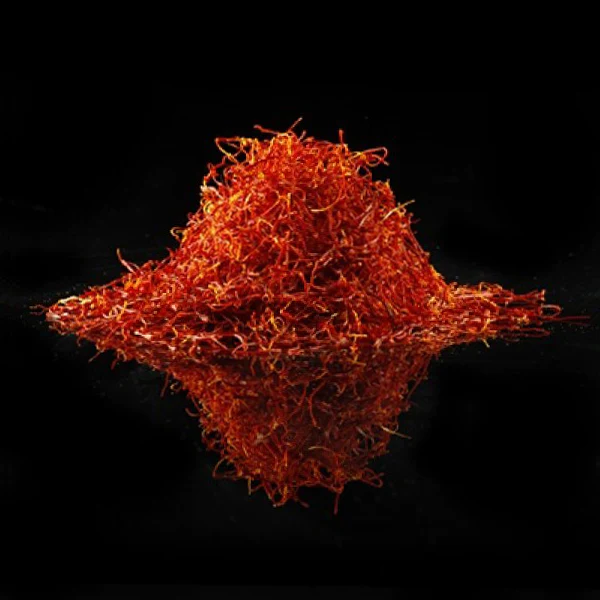
4. Saffron ($2,268/pound)

Saffron is the most expensive spice in the world. The spice is actually the stigmas of Autumn Crocus flowers (Crocus sativus to be specific). Each flower only has three red stigmas (also called threads), so you need about 170,000 flowers to make one pound of saffron. Threads retail for around $5 per gram ($2,268 per pound), and powder (made from ground threads) sells for around $1 per gram.

Saffron production is concentrated in Iran which means economic sanctions create more scarcity in the U.S. than would naturally be the case.

December 2022 Sample Prices:

Unit Size & CostEquivalent Price per PoundProduct DescriptionMarket
$19 / 1 gram$8,618Spanish superior grade saffron (threads)myspicesage.com
$51 / 5 grams$4,627Spanish superior grade saffron (threads)myspicesage.com
$88 / 10 grams$3,992Spanish superior grade saffron (threads)myspicesage.com
$179 / 28 grams$2,898Spanish superior grade saffron (threads)myspicesage.com

Saffron Farming Resources:

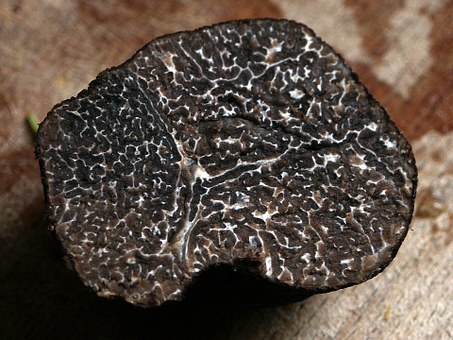
5. Black Truffles ($1,005 per pound)

Black truffles aren’t as pricy as their white counterparts, but they are still expensive. Black “winter” truffles are more valuable than “summer” truffles, fetching prices around $1k per pound.

December 2022 Sample Prices:

Unit Size & CostEquivalent Price per PoundProduct DescriptionMarket
$1,005 / 1 pound$1,005Fresh Italian black burgundy trufflesgourmetfoodstore.com
$407 / 1 pound$407Fresh Italian black summer trufflesgourmetfoodstore.com

Truffle Farming Resources:

6. Marijuana ($658/pound)

Marijuana has a complex legal status with federal and state laws disagreeing in many parts of the U.S. However, there is a general trend towards legalization, and the legal marijuana business is likely to continue growing in the future.

Marijuana plants are grown for their flower buds which are ground and then smoked out of a pipe or bong. Average market prices for legal marijuana as provided by Colorado’s Department of Revenue are summarized in the table below.

Average Q4 2022 Colorado Prices:

Price per PoundProduct DescriptionSource
$658Retail marijuana budhttps://tax.colorado.gov/average-market-rate
$249Retail trimhttps://tax.colorado.gov/average-market-rate
$126Wet whole planthttps://tax.colorado.gov/average-market-rate

7. Red-Veined Sorrel Seeds ($219/pound)

The red veined sorrel plant (Rumex sanguineus) seeds are expensive because the plant itself has become a popular crop for profitable microgreen farmers. You can grow the plant for the seeds and as a bonus you can sell the edible plant leaves as well.

December 2022 Sample Prices:

Unit Size & CostEquivalent Price per PoundProduct DescriptionMarket
$219 / 1 pound$219Sorrel – Red Veined – Microgreens Seeds
(Approx 240k seeds)
trueleafmarket.com
$864 / 5 pounds$173Sorrel – Red Veined – Microgreens Seeds
(Approx 1.2M seeds)
trueleafmarket.com
$301 / 1 pound$301Sorrel, Red Veined Organic Microgreen Seeds
(Approx 800k seeds)
johnnyseeds.com

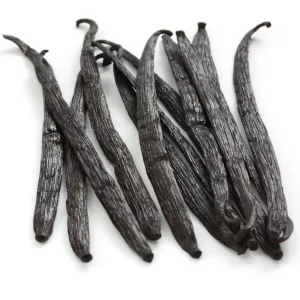
8. Vanilla Beans ($200/pound)

Vanilla beans are used to produce vanilla flavoring extracts that are used in baking. Vanilla beans actually grow on a type of vining orchid known as Vanilla planifolia. The plant requires 2-3 years to mature before it can produce vanilla beans, and then the beans will take another 6-9 months to grow and mature after the plant has matured. The plants must also be hand pollinated which is labor intensive. Invent a vanilla-pollinating robot, maybe?

December 2022 Sample Prices:

Unit Size & CostProduct DescriptionMarket
$200 / 1 poundPapua New Guinea Vanilla Beans – grade A whole podsvanillabeankings.com
$200 / 1 poundUgandan Vanilla Beans – grade A whole podsvanillabeankings.com
$225 / 1 poundSri Lankan Vanilla Beans – grade A whole podsvanillabeankings.com
$500 / 1 poundMadagascar Vanilla Beansmeridiancacao.com
$15 / 3 beansMadagascar Vanilla Beansmeridiancacao.com
$186 / 1 poundVanilla Bean Madagascar – Bourbon grade A 16 ozbeanilla.com

9. Fennel Pollen ($195/pound)

You’ve heard of (and probably eaten) fennel seeds, but have you heard of fennel pollen?

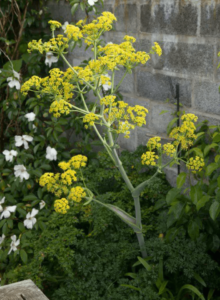
Sometimes called “the spice of angels”, fennel pollen is just the pollen of the fennel plant. Fennel is a member of the carrot family. Each plant has a hearty bulb with long green stalks with light, feathery leaves called fennel fronds that produce tiny yellow blossoms. Fennel pollen is harvested from those blossoms.

December 2022 Sample Prices:

Unit Size & CostEquivalent Price per PoundProduct DescriptionMarket
$68 / 4 oz$272Fennel Pollenmyspicesage.com
$195 / 1 pound$195Fennel Pollenmyspicesage.com
$22 / 1 oz$352Fennel Pollen“Pollen Ranch” brand on amazon.com

10. Wasabi ($130/pound)

The “wasabi” in American restaurants is not usually real wasabi but rather dried & powdered horseradish mixed with food coloring and water. Real wasabi is somewhat difficult to grow at commercial scale and has traditionally only been grown in quantity in Japan. However, there are now two companies (Pacific Coast Wasabi and Frog Eyes Wasabi) that successfully grow wasabi in green houses in North America.

Real wasabi is a semi-aquatic plant. The plant’s rhizome (a type of root) is grated to produce the usual-looking green wasabi paste.

It takes 12-48 months to grow a wasabi plant to maturity, although it may be able to grow more efficiently using hydroponics.

There are 17 different wasabi cultivars, but only 2 are commonly grown commercially: Daruma (which produces a single rhizome) and Midori (which produces multiple offsets).

December 2022 Sample Prices:

Unit Size & CostEquivalent Price per PoundProduct DescriptionMarket
$190 / 1 pound$190Large real wasabi rhizomesrealwasabi.com
$135 / 1 pound$135Wasabi root (rhizome) for foodthewasabistore.com
$130 / 1 pound$130Wasabi rhizomeshmbwasabi.com
$181 / 1 pound$181Fresh wasabipacificwildpick.com

Wasabi Farming Resources:

11. Ghost orchids ($75/plant)

The ghost orchid (Dendrophylax lindenii) is a species of orchid that has no leaves. The plant is native to Florida and Cuba and requires different growing conditions than most orchids. It requires high humidity with less airflow and is also quite sensitive to water quality. When removed from their native environment (which is very humid and marshy), their survival rate is very low.

In the wild, the plants typically take 16 years or more to bloom, if they ever do at all. However, Dr. Michael Kane at UF has had some success in getting the flowers bloom in 3 years.

Legally obtaining a ghost orchid can be challenging. It is illegal to harvest a ghost orchid plant that you find in the wild. Many of seedlings sold online are not pure dendrophylax lindenii but rather some sort of hybrid. These hybrids can be expensive although not necessary as expensive as a pure ghost orchid.

December 2022 Sample Prices:

Unit Size & CostProduct DescriptionMarket
$60 / plantDendrophylax (sallei X lindenii hybrid) — mounted young plantillexotics.com

Ghost orchid information:

12. Kaffir Lime Leaves ($73/pound)

Citrus hystrix (aka Kaffir lime, Makrut lime, or Thai lime) is a citrus fruiting plant native to tropical Southeast Asia. Both its fruit and leaves are used in Southeast Asian cuisine, but its leaves are more valuable on a per weight basis. The leaves are also used to make perfumes since the crushed leaves emit an intense citrus fragrance.

Growing a Kaffir Lime tree from a seedling to maturity can take up to 10 years, but a tree grown from a cutting can bear fruit as soon as 3 years after planting. Florida has the perfect climate for growing these trees.

December 2022 Sample Prices:

Unit Size & CostEquivalent Price per PoundProduct DescriptionMarket
$77 / 1 pound$77Kaffir Lime Leaf Powdermyspicesage.com
$1,449 / 50 pounds$29Kaffir Lime Leaf Powdermyspicesage.com
$730 / 10 pounds$73Kaffir Lime Leaves (dried)myspicesage.com
$2,900 / 50 pounds$58Kaffir Lime Leaves (dried)myspicesage.com
$73 / 1 pound$73Kaffir Lime Leaf Powderolivenation.com
$155 / 1 pound$155Makrut Lime Leavesmarxfoods.com

Kaffir Lime Farming Resources:

13. Mahlab Seeds ($57/pound)

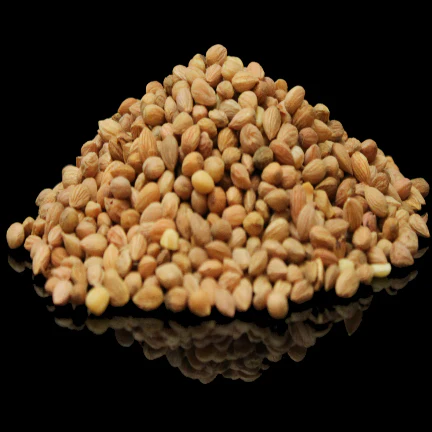
Mahlab seeds are found in the pit of the St. Lucie Cherry which is native to the Mediterranean region.

December 2022 Sample Prices:

Unit Size & CostEquivalent Price per PoundProduct DescriptionMarket
$9 / 1 oz$144Mahlab whole seedsmyspicesage.com
$19 / 4 oz$76Mahlab whole seedsmyspicesage.com
$57 / 1 pound$57Mahlab whole seedsmyspicesage.com
$410 / 10 pounds$41Mahlab whole seedsmyspicesage.com
$1,750 / 50 pounds$35Mahlab whole seedsmyspicesage.com

14. Ginseng ($45/pound)

Ginseng comes in two main types: Asian ginseng (Panax ginseng) and American ginseng. The roots of these plants are dried and then ground into powder for consumption as a food additive or supplement. Prices vary a lot depending on the type of ginseng, whether the ginseng was wild or cultivated, whether the source of the ginseng can be trusted (e.g. was the powder cut with fillers?), and where the ginseng was produced.

December 2022 Sample Prices:

Unit Size & CostEquivalent Price per PoundProduct DescriptionMarket
$178 / 2.5 pounds$71Wisconsin Ginseng Powder – Bulkwisconsingrownginseng.com
$65 / 1 pound$653-Year Field-Run (Bulk) Wisconsin American Ginseng Rootswisconsingrownginseng.com
$600 / 10 pounds$603-Year Field-Run (Bulk) Wisconsin American Ginseng Rootswisconsingrownginseng.com
$231 / 1 pound$231Panax Ginseng Root Whole, Redmountainroseherbs.com
$48 / 1.1 pound$44Panax Ginseng Powdernutricargo.com
$204 / 1 pound$204American Ginseng Root Powder Organicstarwest-botanicals.com
$54 / 1 kg$25Panax Ginseng Root Powderboxnutra.com
$45 / 4 oz$180American Ginseng Powderoregonswildharvest.com
$42 / 1.1 pounds$38Ginseng Root Extract PowderFrom BulkSupplements on amazon.com

15. Long Pepper ($44/pound)

Long pepper (Piper longum) is a flowering vine that is cultivated for its fruit which is dried and used as a spice. It has a similar taste to its more common cousins black and white pepper.

December 2022 Sample Prices:

Unit Size & CostEquivalent Price per PoundProduct DescriptionMarket
$36.50 / 1 pound$36.50Long pepper (Piper longum)mountainroseherbs.com
$87 / 1 pound$87Long pepperolivenation.com
$59 / 1 pound$59Long pepperspicespecialist.com
$221 / 5 pounds$44Long pepperspicespecialist.com

16. Grains of Paradise ($39/pound)

Grains of Paradise are growing in popularity (a claim backed up by both Google Trends and a statement on the spice market website myspicesage.com). This spice is used as a bougie black pepper substitute and has notes of citrus.

The plant takes about 12 days to start growing from seed and will be ready for its first harvest about 10 months after that. It will then continue to be productive for about 10 years. You may be able to speed this up somewhat using controlled growing environments.

December 2022 Sample Prices:

Unit Size & CostEquivalent Price per PoundProduct DescriptionMarket
$7.50 / 1 oz$120Grains of Paradisemyspicesage.com
$15 / 4 oz$60Grains of Paradisemyspicesage.com
$39 / 1 pound$39Grains of Paradisemyspicesage.com
$1,249 / 50 pounds$25Grains of Paradisemyspicesage.com

17. Green Cardamom ($29/pound)

Elettaria cardamomum (aka green cardamom or true cardamom) is an herbaceous perennial plant in the ginger family. The plant’s seeds are used as a spice.

December 2022 Sample Prices:

Unit Size & CostEquivalent Price per PoundProduct DescriptionMarket
$83 / 3 pounds$28Rani Green Cardamom Podsranibrand.com
$30 / 1 pound$30Green Cardamom Podsslofoodgroup.com
$24 / 8 oz$48Cardamom Podsnuts.com
$65 / 1 pound$65Cardamom Pods Whole, Green (Elettaria cardamomum)magick.com
$44 / 1 pound$44Frontier Co-op Organic Green Cardamom Seeds, Whole – Bulk BagFrontier Store on amazon.com
$29 / 1 pound$29Organic Cardamom Pods, green, ripeessentialorganicingredients.com

18. Bok Choy Microgreens ($25/pound)

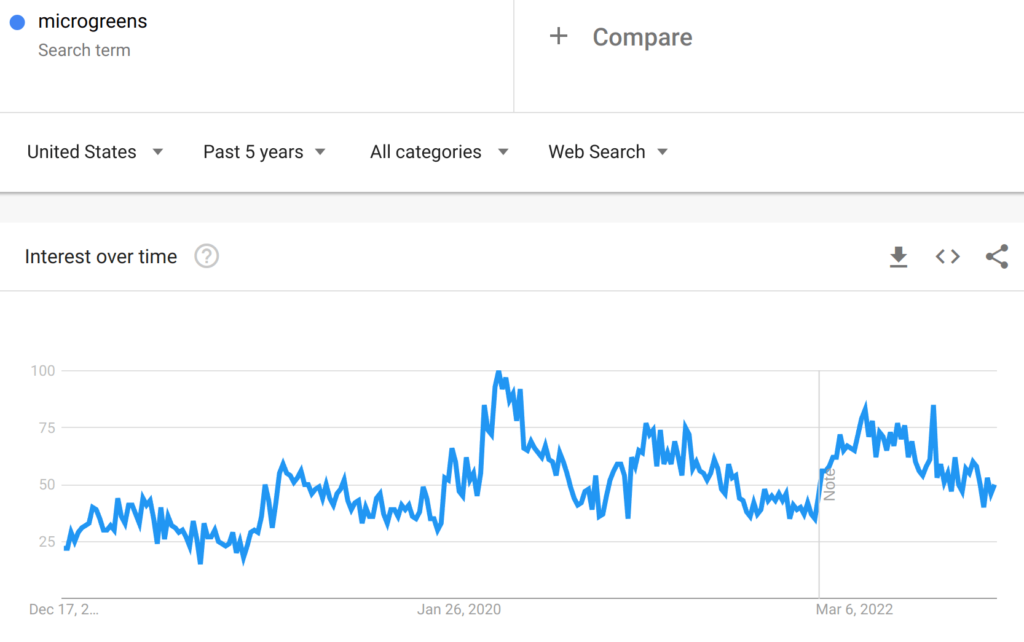
Microgreens are the seedlings of vegetables and herbs that are harvested when they are only 1-12 inches tall and have typically only been growing for 1 to 28 days. They are nutrient-dense superfoods and have been steadily growing in popularity for the past several years.

Bok Choy microgreens are the seedlings of the Bok Choy plant. They are some of the most expensive microgreens on the market.

One of the great things about farming microgreens is that not only are the greens themselves pricier per pound than most normal crops, but each crop might take only 2 weeks which means a greenhouse or hydroponics farmer could turn out 26 harvests a year. Compare that with something like truffles which sell for a much higher price but may take 7 years to give you a single harvest.

December 2022 Sample Prices:

Unit Size & CostEquivalent Price per PoundProduct DescriptionMarket
$30 / 1 pound$30Delivery of 1 pound fresh zeraleaf.co
$146 / 1 pound$146Micro Bok Choymarxfoods.com